Pittsfield’s children chased insecticide trucks like ice-cream vans. We laughed, mouths open, fogging our tongues with DDT like communion. Summer turned our throats metallic. We ran behind the tailgate as if wonder came in a white plume; it did—Pavlovian joy, a bell for dogs and boys. Later, the town twitched—tiny lightning in wrists and eyelids—shuffle-footed ghosts practicing for a quieter world.
Nights, the radio kept watch. A jazz DJ preached his midnight gospel: “Yeah, daddy… cool, daddy… uncool,” reading weather off a grudge. Cool meant refusing to be arranged; uncool meant marching. He riffed on The Man with the Golden Arm. I was six, said it was about medicine, felt Frankie Machine’s stutter in my palms. Chicago was another Pittsfield—meaner ghosts, better trumpets. The wife in the wheelchair faking it—I recognized the posture. Everyone in town had a chair they pretended not to sit in.
By third grade I’d drawn triangle-headed beatniks on notebooks, my private logo. I wanted a turtleneck, bongos, cigarettes. Not heroin—just the rumor of it, the passport to adult sorrow.
Then the dream came like bad weather. My parents turned polite, cold as bank tellers. The houses closed their eyes at dusk. Only the couple across the street kept smiling. One night I followed them to the woods, fireflies tagging our path. Beneath pine needles: a hatch. Inside, townspeople floated on wires, motionless, breathing static. Some wore badges, some chalk dust. The couple unzipped their skins and stepped out as light—two clean shapes, honey-soft—drifted over the bodies, nested inside, zipped back up, and walked home like nothing happened.
Sometimes the dream flipped—like a record stuck on a ridge. I followed euphoric, invited into the box where the dead kept their makeup. Everything spun—slow, then centrifuge. I fell through the center, stomach cold, teeth singing. Woke on the floor, certain I’d been replaced by a quieter boy. The dream vanished, then came back wearing a new face. If it was just movies, I could blame late-night horror. If the radio, blame the DJ confessing into static. But it felt older, like an instrument humming under the town.
Another night: the voodoo dream. Streets wet as tongues, conga drums stitched to glass. I walked like a wind-up, following a rhythm that wasn’t mine. Shadows traded doorways. A gun coughed. I woke with a mosquito on my arm, full of me.
By then I knew the town’s catechism: you’re never one thing. A stack of stencils—boy, son, paper route, altar server, janitor of your own head. Masks on shuffle. The jukebox ran out of quarters but kept clicking tracks: Hero, Trickster, Sage, Caretaker, back to Hero with a crack. Teachers said “potential.” Cops said “step aside, son.” Mothers said “promise me.” My mirror said nothing. I loved the DJ because he kept saying cool, uncool—as if those were the only weather systems.
The trucks returned each summer, missionaries of cleanliness. We chased them less, coughed more. The fog turned the ballfield to milk. We told each other lies we could live with: the county wouldn’t poison its own; the tumble of moths meant something holy; we’d escape, no matter what the radio said. The DJ played “So What,” and I thought, exactly. I learned to be cool—to resist arrangement in public, submit to it in private. That’s a kind of faith.
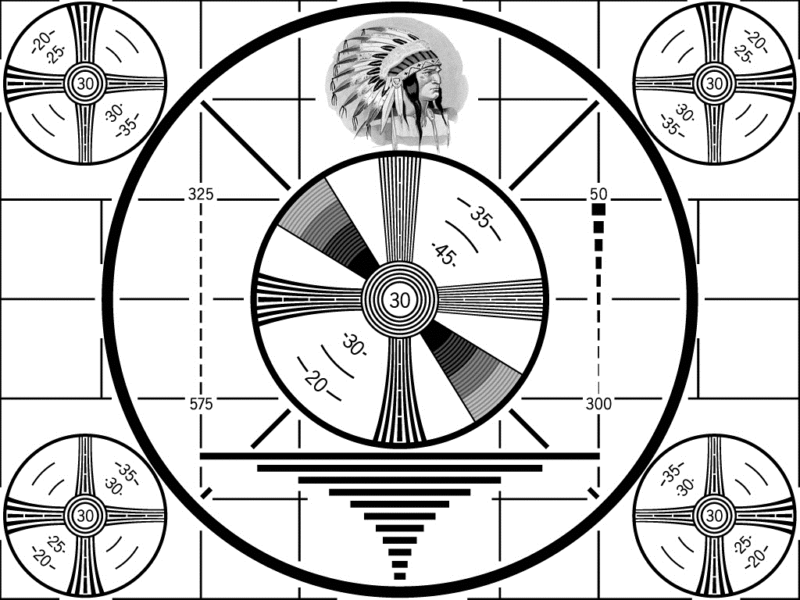
My father kept the TV humming after midnight. Test pattern: Indian head, bull’s-eye, a nation cross-haired into a lullaby. I lay awake counting beats between my heart and the grid lines, hoping a match would earn me a better shape. When fatigue got brave, I’d hear the town again—sprinklers ticking, someone’s mother laughing like a fork on tile, tires sighing against summer. The parade never stopped. It just learned to whisper.
I still see the spaceship when a basement smells of radish and rope. I half-expect parents to unzip at holidays and reveal the light they stole. Maybe holiness is that—the living showing up in the wrong bodies, trying again.
Sometimes I test myself. Walk past a truck idling at a curb, taste the air, ask if I’d run after it now. The body says yes, the mind says don’t be an idiot, the heart waits for a DJ to rule: cool or uncool. I do nothing. That’s adulthood—an archive of almosts.
I left, or say I did. You can leave a town and still keep its pilot light under your tongue. I learned the tremors’ names, the right jokes, how to look calm. But the dream stayed where I put it—on the other side of the hatch, whispering like a radio between stations, the hiss that holds a song if you lean just right.
Some nights I still wake to a single frequency stretched tight as wire. A high tone, steady and pure. Concert A, 440 hertz—the TV’s old test-pattern hum without the picture, just the target in my skull, bright as noon. I let it tune me like a bad instrument searching for its note. The sound is clean, almost kind. It asks nothing. It reminds. I never forgot the sound.

 In September 2022 SmokeLong launched a workshop environment/community christened SmokeLong Fitness. This community workshop is happening right now on our dedicated workshop site. If you choose to join us, you will work in a small group of around 15-20 participants to give and receive feedback on flash narratives—one new writing task each week.