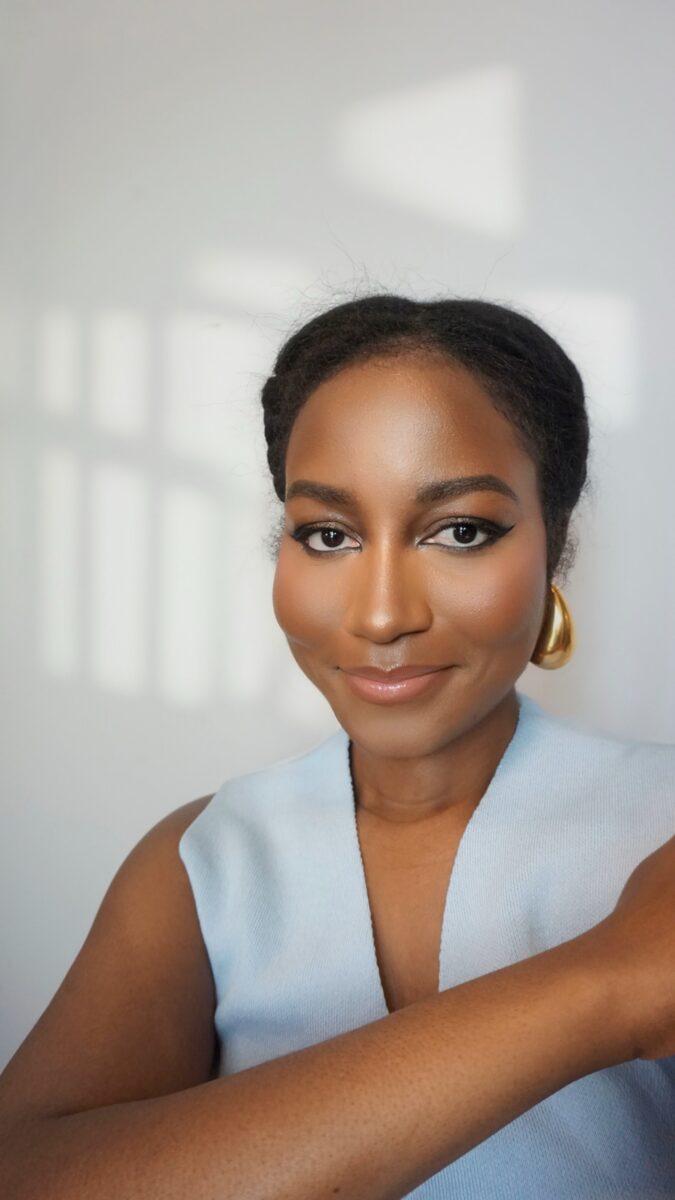
“Mouth-Feel” takes place in a high-end restaurant centering around a conflict between a chef and a customer who is eager to demonstrate his superiority as he wields the “power” of sending his meal back. The narrator is also fielding calls from his brother, who is working toward a PhD in something abstract and technical. Can you talk about perceptions of class or power difference in this story, and in your work? Is this an important theme for you?
Class friction features very prominently in my work, and I find that it’s best understood through micro-interactions; a recurring thread is how “upper-class” people relate to those in the service industry. One piece of inspiration for this story came from a moment in the reality show Below Deck, where a yacht passenger, trying to show sophistication, condescendingly argues with a seasoned steward about a fish knife that she mistakes for a butter knife. This idea that money somehow grants authority over knowledge—that being richer than someone allows you to challenge their earned expertise—has always puzzled me. It’s also something we need to talk about more, especially in today’s political climate.
And speaking of knowledge, the kinds of knowledge society chooses to value are deeply political. Being Nigerian, we have a culture that deeply values the sciences and dismisses the fine, culinary, and performing arts as lowbrow, for lack of a better word. I wanted to explore how this would look in a sibling dynamic, where both brothers measure their self-worth differently. Here’s one brother who knows that the doctor appellation would take him to a whole new level of public admiration, and here’s another brother who could become a king by plating for kings.
I love the title “Mouth-Feel” in all its iterations in the story. How the customer critiques it, how accents change over time, how the narrator answers the criticism with a dose of “mouth-feel,” which silences the customer. Did you start the story with the title, or did it arise as you were telling it?
I started with a notepad of all the things someone performing a refined palate might say to their restaurant server when sending a plate back (like they were imitating a Top Chef judge); “Mouth-feel” ended up revealing the most to me because of its multiple meanings—culinary jargon, a marker of affected sophistication, but also something that can be weaponized. The way it echoes through the story, from initial critique to an act of vengeance, but also a pun at the very end, felt pitch perfect.
You have done extensive work in filmmaking. Can you talk about writing for the page as opposed to screenwriting? Do you have a preference?
I started in prose, which allows me to luxuriate in words, but when I took up screenwriting, I created another side of myself who sheds that luxury. Screenplays move fast, and film and TV decision-makers value white space—they’re reading with limited time and relatively shorter attention spans, than the publishing industry’s gatekeepers. So, though my screenwriting contains the same amount of thoughtful character work and plotting that you’d see in my prose, I leave more room for directors, actors, production designers, etc. to fill in gaps; filmmaking is a much more collaborative medium, after all.
I wouldn’t say I have a preference, but when I think of a story, I definitely consider whether I see it on screen or not. Would I sit through two hours at the theater following this character, or ten episodes of a season following their journey? Sometimes, though, I like a story so much I end up writing it in both iterations. I think the bigger internal debate for me is whether a story demands a novel or if it’s simply an interesting moment I can capture in flash or short fiction.
What are some of the greatest influences on your writing, whether other writers or outside influences and experiences?
I really appreciate the vivid imaginative writing of Lesley Nneka Arimah, and I love the way Chika Unigwe and Katie Kitamura interrogate conflicted morality in sociopolitical settings—no easy villains or heroes, very high stakes. On the film and TV side, Peter Morgan, who created The Crown and wrote Rush, is one of my greatest inspirations. I think his dual practice in playwriting and screenwriting allows him to capture private character moments so well (oftentimes reimagined from historical figures), and those are often the most resonant scenes.
Reality TV, which I enjoy daily, and also have a work background in, sparks a lot of internal creative conversations. The varied scenarios we see humans in, and how raw their reactions to those scenarios are, is stuff you might not even get to witness from friends and family.
The descriptions of food and cooking in this story are rich and evocative, both the narrator’s work in his kitchen and his memories of helping his father’s roadside barbecue business. What meal would you order, or would you cook, at this restaurant?
Love this question. It wouldn’t be a thick steak, haha, but I like well-seasoned meats in other forms. An Afro-fusion dish would be up my alley—if he had a yaji-spiced braised short rib gnocchi, for instance, I’d go for that.
But even more likely, I’d patronize the stall he apprenticed in childhood. Suya and shawarma from an Abuja street stall rank up there as some of the best food in the world—I’ll go to battle for this opinion.

 In September 2022 SmokeLong launched a workshop environment/community christened SmokeLong Fitness. This acclaimed community workshop is happening right now on our dedicated workshop site. If you choose to join us, you will work in a small group of around 15-20 participants to give and receive feedback on flash narratives.