Who is the parasite in the story? I feel like I know the answer, but I realize there is at least one other possibility.
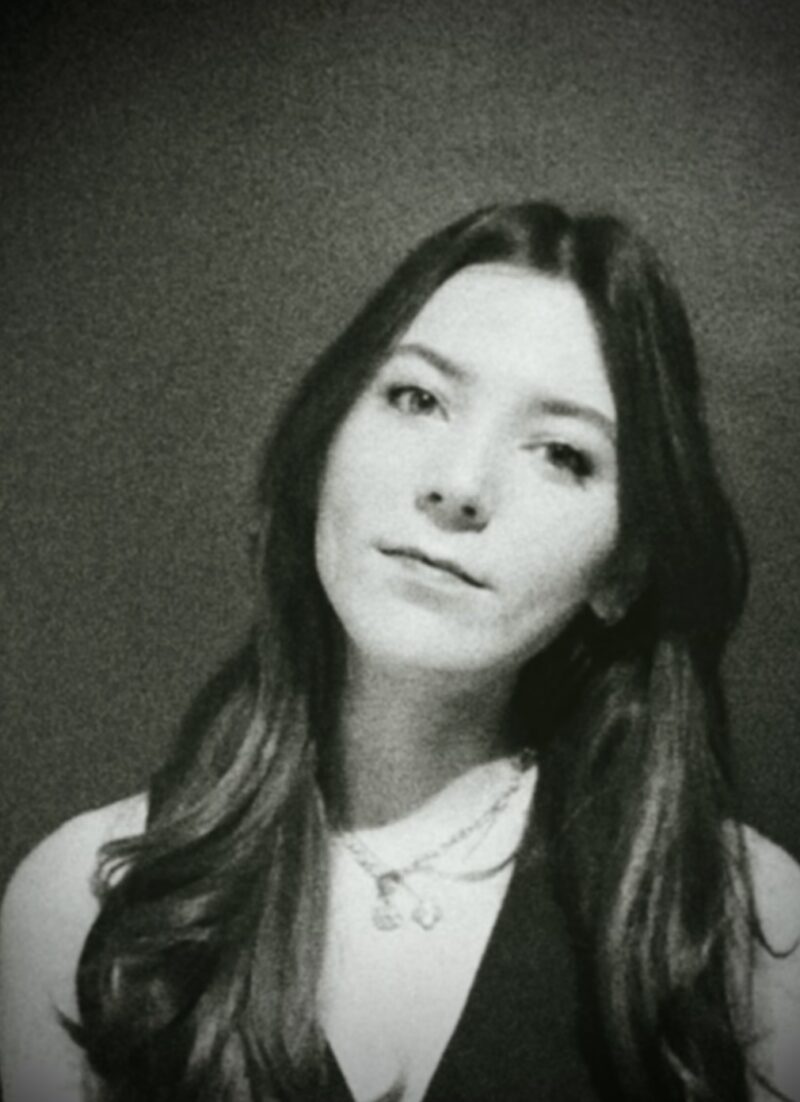
I’m glad you were entertaining another possibility! Your instincts are spot on. In writing this, there were two parasites for me: The obvious is Phil, the documentarian living off his mother’s wealth, and the other is our narrator herself. She may believe that she is saving the actress from her son’s leeching, but in reality, she is also taking his place. Her plan is to get rid of Phil and then live in this house, eat good food, and swipe his mother’s credit card, just as Phil does. I’m fascinated by characters with blind spots, or characters who tell themselves they are doing something for “moral reasons,” only for the audience to see that it isn’t quite so simple. I feel that the narrator and the mother have a real bond, yes, but she wouldn’t be going to these extremes if she weren’t going to live off of her, as Phil does, as a parasite would.
If you were to write a Part 2, what would have happened to the documentarian son in the desert?
What a fun question! The narrator’s intention at the story’s close is for Phil to die out there from heat or dehydration, as she learns can happen to unlucky hikers. In a Part 2, it could be interesting if he instead gets rescued, then levels some serious accusations at our narrator. I’d love to see how she tries to get out of that situation, and then whether the actress takes her side or Phil’s.
If the story took place in a more accommodating climate, like a tropical paradise, how would it have ended?
Even if the setting differed, I think that what would happen would still be the same—our narrator would find a way to get rid of Phil. If they’re on a tropical island, I can imagine her asking to accompany him out on his boat to film and then shoving him overboard. In the mountains, they’d go out on a long walk and she’d steal his flashlight and winter parka. In the most accommodating of climates, like suburbia somewhere flat and warm, the narrator may have to resort to more traditional means to get rid of Phil—“He just fell off the roof!”—as the environment wouldn’t present the same opportunity. I loved setting this in the desert, though—it represents scarcity and a kind of heat-filled pressure that, in many ways, reflects how financial strain can make a person feel. Phil and our narrator are, to a certain degree, hunting for a spring to drink from in a desert. The poor actress is said spring.
Would you call this a feminist story?
I think this story is feminist in the way it addresses some misogynistic power structures: We have Phil, a mentor, using the narrator for sex and then casting her aside when he gets bored with her; he also pushes his mother into highly sexualized acting roles that she does not want to do for the money. I do not, however, view our narrator trying to kill Phil as a ‘feminist’ act, though she certainly sees it that way, ‘saving’ the actress and getting some revenge for herself. I see it more as the act of someone who feels for this actress, yes, but is also desperate, in pain, and slightly unhinged. Maybe more than slightly.
She imagines eating a very specific veal (or calf) dish with the mother at the end. Is this symbolic of anything?
Yes—she daydreams about eating osso bucco with the mother when she returns to the house on Mojave Drive. I wouldn’t say it’s symbolic so much as emblematic of what she imagines her life will be like from now on. To the narrator, osso buco is a fancy, indulgent dish—something she’d never normally eat, especially not while broke and living out of her camper. She imagines that this is the kind of meal she’ll have regularly, living with/off this Hollywood actress.

 In September 2022 SmokeLong launched a workshop environment/community christened SmokeLong Fitness. This community workshop is happening right now on our dedicated workshop site. If you choose to join us, you will work in a small group of around 15-20 participants to give and receive feedback on flash narratives—one new writing task each week.