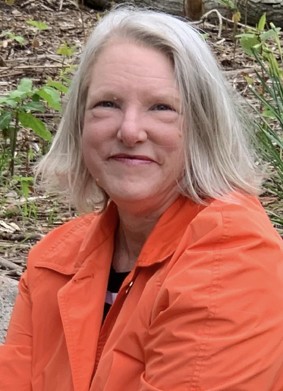
Here’s something I’ve enjoyed probing for thirty years as a literary editor: the fine line between prose forms. I know you write both poetry and essays, so I’ll ask: What makes “Stuck in the Traffic Circle” an essay instead of a poem?
For me, the writer’s approach to the language and imagination of a piece distinguishes prose from poetry. As an essay, “Stuck in the Traffic Circle” uses facts and examples to tell the story. If I were to share the same account in a prose poem, I might speak as an observer and choose metaphors, alliteration, and dreamier descriptions.
I see you’ve worked as a journalist. How did that work impact your creative writing at the time, and is there any lingering value (or harm)?
My journalism background taught me the rhythm and discipline of putting words on a page daily and triple checking for accuracy. Feature stories were my favorite assignments and allowed for more time and creativity. I find similar opportunities in writing personal essays. For my MFA, I focused on fiction, but my reporter instinct kept interfering. Making up characters and situations went against my training. My mentors were great at pushing me forward and helping me adjust to the new genre.
It’s easy to picture you circling those daffodils, so proud of how your sons made a lasting and beautiful mark. Is this where the piece started – or where does your work typically germinate?
This piece began with a prompt to leave a message for someone who had passed away. I recalled wanting to alert my husband when the new traffic circle in our town finally opened and to let him know we wouldn’t have to take the detour anymore. But I couldn’t tell him. He was no longer here. I began my story with this memory. Most of my writing begins with an unexpected image such as balloons stuck in a tree or something mundane like a soggy tomato sandwich. I look for connections I can make and let the mystery of writing lead me to a messy first draft.
I love that you blog about both gardening and food because it suggests a process-oriented mind, with close examination of a subject from start to finish. I’d love for you to apply your curiosity to writing itself. What is one specific insight you’ve gleaned recently regarding nonfiction?
I like nonfiction because the pieces are all there, they just need to be discovered and connected in a meaningful way.
Finally, loss is so evocative in this piece. What does writing about grief do for you (or to you)? I wonder if the act of writing about it heals you or hurts you or both.
I don’t usually write about my grief. I’ve written a few poems and included various thoughts in my journals. I know writers who have written memoirs about their loss. I guess I’m not ready. Instead, I keep a flowerpot of plants with white blooms by our front door year-round in memory of my late husband.

 In September 2022 SmokeLong launched a workshop environment/community christened SmokeLong Fitness. This acclaimed community workshop is happening right now on our dedicated workshop site. If you choose to join us, you will work in a small group of around 15-20 participants to give and receive feedback on flash narratives.