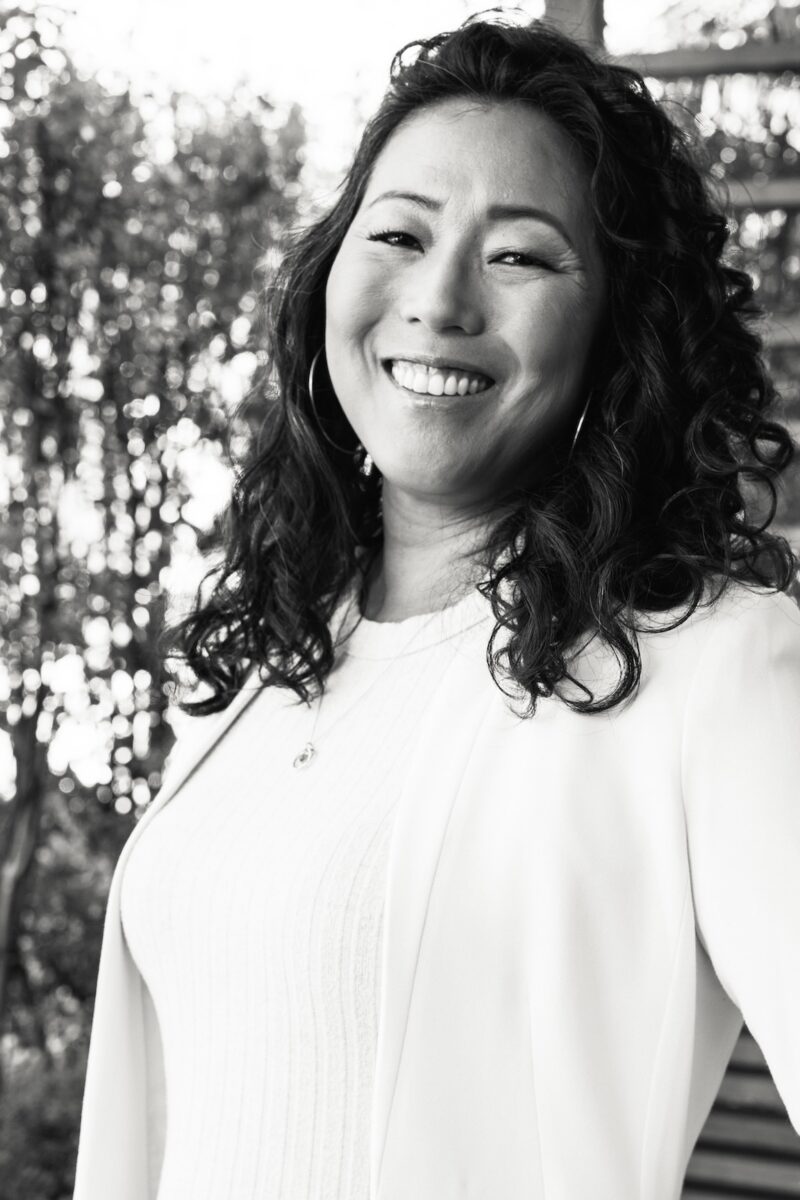
Anxiety is difficult to describe, as such an individual and corporeal experience. What was your writing process like as you tried to show the reader anxiety?
Personal experience with anxiety is to blame here. After the birth of my first child, and with each subsequent (I have three), I suffered from D-MER, which meant that while I nursed my baby, intense and sudden feelings of doom emanated from low in my belly, causing a penetrating panic. The anxiety would disappear as quickly as it came on. I felt insane, because it happened every nursing session, two to four times a session, six to eight sessions a day. It was only until I read about the condition in a book about a year later that I discovered the name of what I was experiencing, and I have since learned how to live with hormone-induced anxiety.
The frequent, expected occurrences, and knowing why it was happening, must have allowed me to be observational with my anxiety, to be able to gain some distance and record it, to write how a harmless thought can build and become full-blown panic. Identifying and parsing out triggers helped me, but the spiraling thoughts and doom still feel mind-altering and real. Enabling a reader to feel something after they’ve read my work is my north star. I hoped to transmit how anxiety, foremost, is a cold and lonely place.
Motherhood is a large part of these women’s identities, but you show us their interior worlds, which include so much more. If written from a different point of view, would these women be seen beyond their status as “mother?”
It’s interesting you bring up point of view. I gave myself a prompt to play with omniscient narration, and this story was what came out. I wanted to create a scene where being in two characters’ heads within a short amount of space was vital.
I wonder how women are seen as much else other than a mother in a school drop-off setting. Given the context of this story, would an outsider point of view venture to imagine the deeper thoughts and recollections boiling within these two women? The teachers, the adults running the kids’ extracurricular activities, their own kids? It’s a good question.
Motherhood, the world-shifting experience that it is, can overpower a woman’s identity. So within both these women’s interiority, motherhood is quite pervasive. But as you point out, it’s only when we dive deeper into their specific interiority that we see their fears and dreams teeming outside of that motherly role. I do believe that these two women have the capacity to see each other more fully than others, but it’s only within themselves that they become flesh, and three-dimensional.
I love the syntax of this story: short, gut-punch sentences artfully arranged around long, meandering ones. Do you have any tips on achieving such effective prose rhythm?
Oh, my, thank you. I’ve always wanted to be considered a lyrical writer, but don’t really hear that feedback, so I’m appreciative of this comment. I first and foremost edit for clarity—is this sentence communicating what I’m trying to say. This might be where I live the longest in editing. If true and authentic meaning isn’t achieved, I’ve failed.
In final edits, I do try to explore the musicality and lyricism of the language by reading aloud and using my ear. I also have a habit that may be even more influential to the prose—before I generate new material or edit—of reading writers I admire. My ear gets influenced, perhaps, by what I’ve filled my well with before I write.
In the closing paragraph, I sense some sapphic love between the two women: “The bleeding woman thinks how pleasant her friend’s touch feels.” Did you intend this, or do you think there is some degree of sapphic love in all female friendships?
I didn’t intend this, but I love your interpretation of their relationship. Perhaps these women could have been influenced by sapphic love if this story and their relationship were to continue. There is healing in touch, isn’t there? Female friendships, more so outside of western cultures in my experience, tend to explore this type of touch more freely.
I wrote this story asking myself the question: How can I characterize feelings of profound disconnection? These two women search for something that feels elusive. They don’t quite realize that these feelings gnawing at them both might be related, that the lack of synchronicity with the motions of things around them feed their desire for enhanced closeness with everyone and everything: acquaintances, friends, kids, their own partners, even the very land beneath their feet. I do believe that the woman who has fallen, bleeding, realizes this connectivity for a fleeting moment, because as her hands feel the wet ground, water mingling with her own blood, she witnesses those same birds from child-told lore flying freely in the sky. This illumination of connectivity—which includes the comfort of her friend’s touch—activates for her an unexpected bliss.
I see you are also a published poet, and you’re working on your first novel. What can you tell us about your forthcoming writing endeavors?
I have been hard at work on my first novel about May, a young Korean woman in a Hawaiian sugar plantation town in 1930, who blossoms into a journalist. When her brother and friend get accused of a terrible crime, May is forced to grapple with who she believes, and how to wield her new editorial skills to do what she thinks is right. In a land and time where ethnically divided laborers feel pitted against colonial industrialism, this coming-of-age story explores thorny questions of race, class, and power; but ultimately, is a story of a family broken by the secrets they’ve kept, hungering to be healed by the truth. I’m still in revisions and hope to have my novel out there in the world soon!

 In September 2022 SmokeLong launched a workshop environment/community christened SmokeLong Fitness. This acclaimed community workshop is happening right now on our dedicated workshop site. If you choose to join us, you will work in a small group of around 15-20 participants to give and receive feedback on flash narratives.