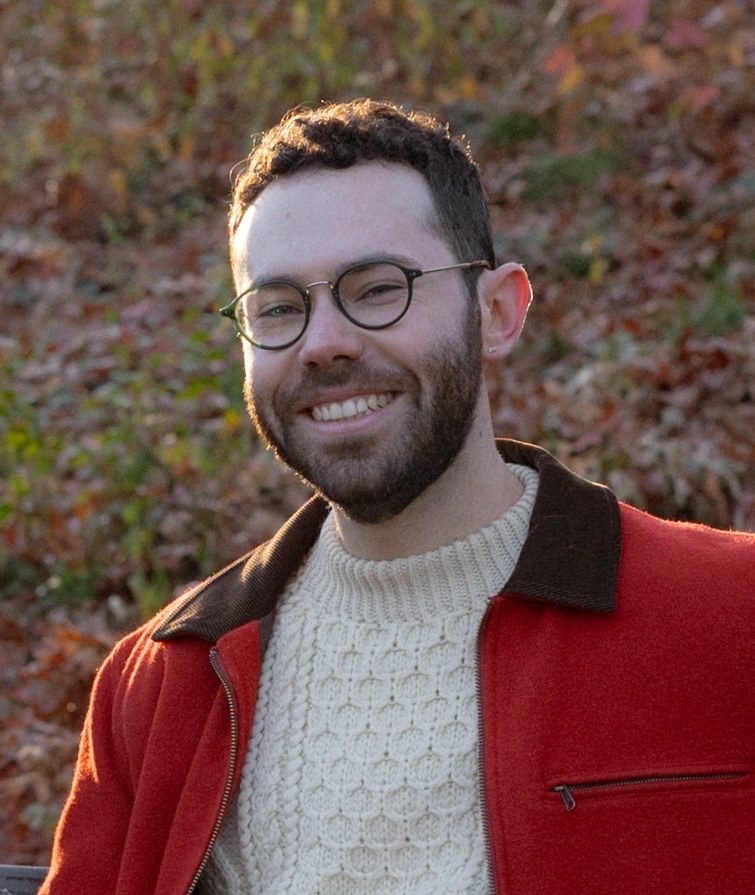
Your story probably hits different readers in different ways, but I received it as a metaphor for the ways our loved ones leave us through dementia. Did an experience like that shape the writing here?
Yes; my mom died of colon cancer in 2022. She would totally kill me if she knew that I had now published fiction shaped by that experience (when she was in hospice, she told me and my sisters that she did not, under any circumstances, want us posting about her death on Facebook—we posted on Instagram), but I think she would also be proud. I love how flexible speculative metaphors are, how they support multiple interpretations, encourage multiple readings. I hope I’ve managed to do that here, that people can read their own experiences into this piece and can find meaning in it that is specific to them.
I love the loud aliveness of the mom of the past and the telling details you used, like rising creakily from the couch or slurping soup. Would you say your details emanate from observation or imagination? Describe that process.
It’s always a combination. In this particular piece, those details came late in the process, after a rejection from a different magazine with personalized feedback. They felt that a sense of who the mom was before the piece’s present was missing. I thought about what details would make her feel the most full of life because I wanted the maximum amount of contrast with the fact of her transformation. The resonance between those two states really helped the story breathe. For me, this was a lesson in the gift of feedback and in the generosity of editors who, amongst the many form rejections, will sometimes provide a nugget so wise that you have to forgive them for everything else they’ve ever done to you.
What are you aiming for with the numbered sections/paragraphs?
I like imposing structure in my stories, and when I think about ideas, I often start with the question of form: How will I tell this story? In this piece, I wanted to capture how disjointed grief can feel, how it sometimes seems more like film stills than a moving image. The list also has this incantatory quality that I liked, as well as a recursive quality, which really informed the ending, when the narrator reflects on all that has happened and concludes that words and metaphors cannot fully capture the experience. I wanted the structure to nod to that as well, to show that these are only a few moments, that fiction can never capture the totality of anything, and that sometimes, those moments are all you are able to comprehend.
How does this story fit into what you’re working on right now? I could read much more of your tenderness and attention.
That is so kind! I am really interested in the line between genre fiction and literary fiction, and those emotional elements really allowed me to ground the speculative. Everything I write has some speculative component, but I have work that falls more on one side of that line or the other. That’s part of what I like about writing into that space: the freedom to utilize or discard elements based on what tells the story in the most truthful way. Trees are also a recurring image in my writing. I love when transformation, either physical or emotional, is tied to trees or the woods. I’m interested in the forest’s inherent liminality—the edge of the forest is the border between two worlds, human civilization and the wilderness, where societal rules no longer apply, and anything might happen.
If you were to leave the world in plant form, which one would you choose from among 390,000 or so options? Why?
Incredible question. I think I would choose to be a berry bush of some kind. Perhaps wild blueberries on a mountainside in Maine, although I would want to be close enough to a hiking trail that people would be able to find me. I would be surrounded by such beauty, grow new fruit every season, and interact with lots of different people and animals. It seems a very peaceful way to live, but to be clear, I much prefer to be a human. Nothing beats opposable thumbs.

 In September 2022 SmokeLong launched a workshop environment/community christened SmokeLong Fitness. This acclaimed community workshop is happening right now on our dedicated workshop site. If you choose to join us, you will work in a small group of around 15-20 participants to give and receive feedback on flash narratives.