Reviewed by Matt Kendrick
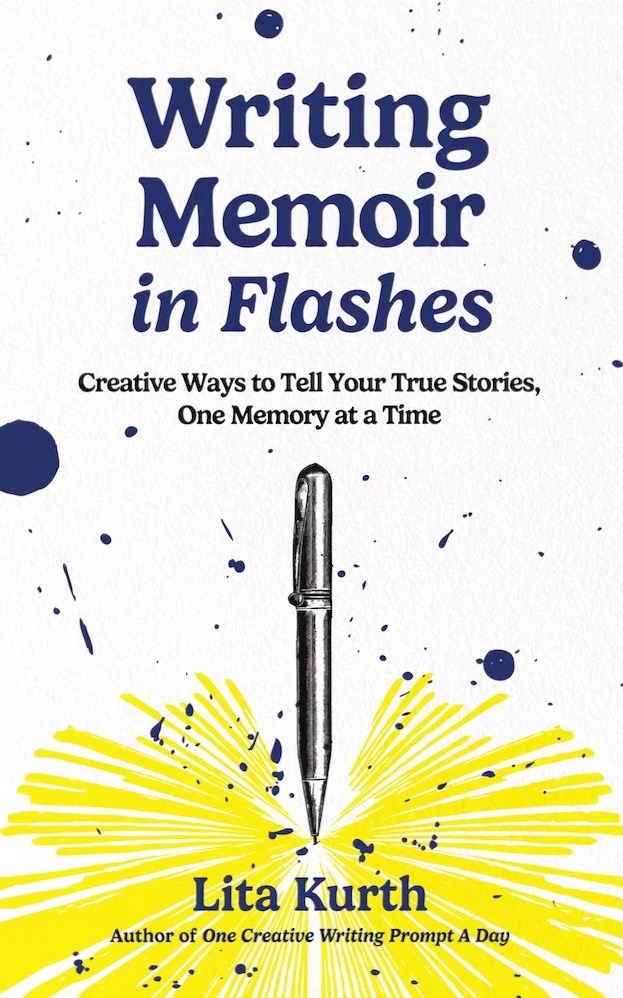
I’ve always been very firm with myself. I’m a fiction writer. I don’t (and shouldn’t) write memoir. My life is pretty ordinary. I’m a white middle-aged man and the world doesn’t need any more accounts of the lives of white middle-aged men. But as I delve into Writing Memoir in Flashes: Creative Ways to Tell Your True Stories One Memory at a Time [Thinking Ink Press, 2026], a new craft book from Lita Kurth, I feel myself waver.
The preface starts with a beautiful list of all the reasons your story does indeed deserve to be told—“To hold again a fleeting moment. […] To expose a wound for healing. To make known what has been hidden—sometimes from ourselves. To shout to the world. To sing. To whisper.” There’s a tone to how this book has been written that invites and embraces. No one is shut out because their life feels too ordinary and no one is shut out because they aren’t experienced enough or skilled enough as a writer.
That second point feels particularly relevant. I always think of a craft book as akin to a lesson. And a lesson, for me, is similar to a story. We start with an aim (a person wants to learn X) and the lesson (or book) hopefully progresses towards a climax of knowledge / skill being gained. A good lesson understands that different students come in at different starting points and with different aims. It also understands that different students learn in different ways. And I see all of that in this book.
Kurth begins with various “opening[s] to the muse”, an easy on-ramp before setting her reader on their way with a gentle gathering of material. As someone who’s currently doing a lot of pondering about the connection between different artforms, I particularly loved the idea to use drawings to rebuild memory. I also loved how this is presented. The language is endlessly encouraging and there’s a clear explanation of why this might help—“A pictorial representation of something […] seems to work on a different aspect of our mind […] than words do.” This is something that’s so often missing. A writing teacher tells us to do Y but without explaining the reason behind it.
We journey on. The next step of the lesson presents the “obstacles” we might encounter. In delving into our pasts, we might make troubling discoveries. We might see family members in new lights. Then as we start to write about these real people, we might run into the worry of hurting their feelings or “stealing” their stories. This is all dealt with in a way that reassures, especially for someone like me who often feels uncomfortable writing about my own life.
Then I turn the page and I’m struck by the title of chapter 4—No Life Is “Too Boring.” This is the point where my certainty that I’m not a memoir writer really starts to waver. Kurth invites us to recognise not what makes us ordinary but what makes us extraordinary, our “tiny areas of expertise” as she calls them. She also gets a writer thinking wider than themselves. A memoir isn’t just about “you,” it’s about the people around you.
She then talks about confronting the truth in order to set yourself free, and this is perhaps a moment where I might have added some additional points. It would perhaps have been nice to have some practical ideas on how to protect ourselves from digging too far (especially when dealing with the biggest of past traumas); and it would have been nice to see some recognition that certain personality types find it far harder to write honestly about moments of embarrassment, guilt or shame.
But these are minor niggles. I’ve talked above about “practical ideas” and this is a book that’s overflowing with them. In The Art of Flash, Kathy Fish talks about the difference between exercises and prompts as the difference between “building skills” and “getting the words flowing,” and how “anything that achieves both is a huge bonus.” Well, that’s exactly what we get in Writing Memoir in Flashes. We’re given examples of the ideas in practice. We’re given scaffolding tasks to build our skills. And we’re given prompts that get the words flowing.
In the middle of the book, I was pleased to come across a whole chapter dedicated to writing “with scenes.” As an editor, one of the issues I often highlight when working on memoirs is that a writer has given a summary of an interesting event, but they haven’t allowed a reader to experience it for themselves. I often mention this to fiction writers as well, just as I often mention narrative structure, creating tension, openings, endings, and everything else covered in this chapter.
This brings me back to where I started this review—that declaration that I’m a fiction writer. The thing is, though, that even if I stick to that resolve, everything in this book is useful no matter what you want to write. The prompts to interview family members or contemplate old photographs could just as easily lead to pieces of “fiction”. The notes on writing with scenes are equally relevant whether that scene is based in truth or completely made up. Each of the structures and techniques in chapter 6 might be applied across the board (I’m excited to try a fictional dekaaz, for example). The same for the thoughts on revision in chapter 7. Even the advice on how to curate and order a collection is equally relevant no matter what side of the fiction/memoir divide you’re on.
And as for me? Whether I’ll be tempted to cross that line more often in the future, I’m still not sure. But it’s nice to know that if I do, there’s such a brilliant guidebook to refer to which will take me gently by the hand and give me plenty of ideas on how to write my personal truth.
Lita Kurth’s Memoir in Flashes: Creative Ways to Tell Your True Stories One Memory at a Time is available in hardcover, paperback and ebook now through Thinking Ink Press. She is the author of the book One Creative Writing Prompt A Day and many short memoir and fiction stories. Lita co-founded the long-running spoken word venue Flash Fiction Forum in San José, California. She teaches creative writing at De Anza College and offers creative writing workshops.
_______________________________
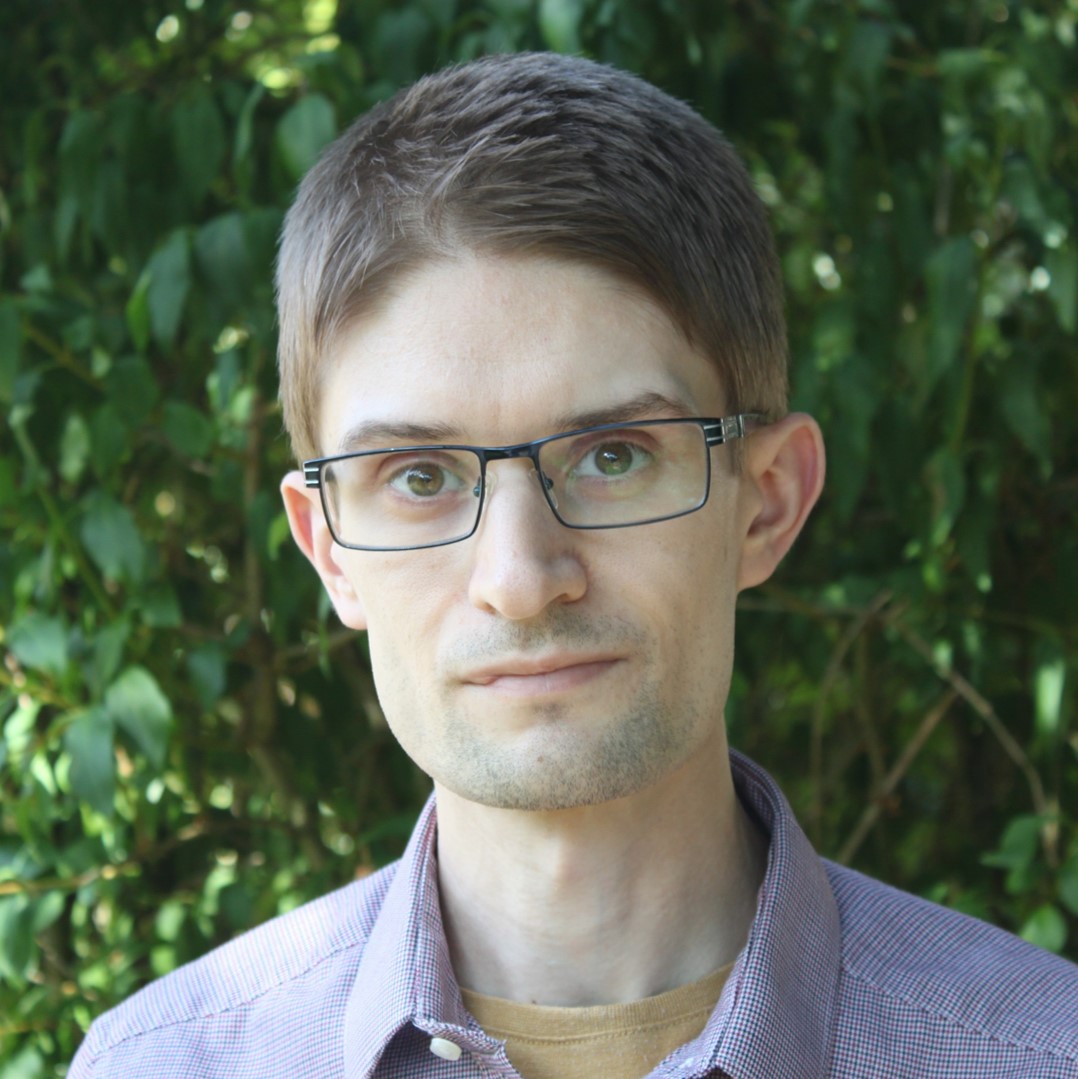 Matt Kendrick is a writer, editor and teacher based in the East Midlands, UK. His work has been featured in various journals and anthologies including Best Microfiction, Best Small Fictions, Craft Literary, Fractured Lit, and the Wigleaf Top 50. He lives with a chronic imagination and a chronic illness called Trevor. Website | Substack | Bluesky

 In September 2022 SmokeLong launched a workshop environment/community christened SmokeLong Fitness. This acclaimed community workshop is happening right now on our dedicated workshop site. If you choose to join us, you will work in a small group of around 15-20 participants to give and receive feedback on flash narratives.