
SmokeLong‘s “Flash, Back” series asks writers to discuss flash fiction that may be obscure or printed before the term “flash fiction” became popular, and tell us how these older or not widely known works are meaningful. In this edition, Brandon McNeice discusses Lucia Berlin’s story “My Jockey.” Submit your own “Flash, Back” or other flash-related essays on our Submittable page!
____________________________
by Brandon McNeice
The last sentence of Lucia Berlin’s “My Jockey” feels almost indecent.
“It was marvelous.”
By then, Muñoz has been brought into the emergency room badly injured. His collarbone is likely broken, several ribs too, and he is probably concussed. He has cried for his mother before fully waking. He has clung to the narrator, refused the doctor unless she holds him, soaked her breast with his tears. Now she is alone with him in the dark X-ray room, soothing him, stroking his back, waiting for the technician to arrive.
Then: marvelous.
The word should not work. It arrives too early, before diagnosis, before repair, before anyone has made him safe. It risks turning another person’s suffering into an occasion for wonder. And still the word feels exact. Berlin does not make the narrator innocent. She does something harder. She lets her be useful, tender, aroused, maternal, and overwhelmed at once.
“My Jockey” predates the common literary label of flash fiction, but not the form’s instincts. The story does not feel abbreviated. It feels pressurized. Almost nothing happens. A jockey arrives injured, a nurse undresses him, translates for him, carries him, soothes him, waits with him. But the story feels enormous because the real action is not plot. The plot barely moves; the metaphors do.
Muñoz keeps changing under the narrator’s gaze. At first, he belongs to a class of men she admires: firemen and jockeys, bodies repeatedly broken and sent back toward danger. Then, unconscious on the table, he becomes a “miniature Aztec god.” His clothes slow the ordinary work of undressing a patient into ceremony. The magenta satin shirt, the tiny wrist buttons, the intricate lacings, the knots, the boots soft as Cinderella’s and smelling of manure and sweat. The emergency room becomes chapel, dressing room, stable, and fairy tale.
The story’s compression makes those transformations arrive almost faster than judgment can. Muñoz is sacred object, fairy-tale body, working body, beautiful body; the tenderness of the gaze does not cancel its exoticizing force. The narrator sees him vividly, maybe too vividly. Each image seems large enough to honor his vulnerability, and each image also changes him into something she can hold.
The practical source of her authority is language. She “gets” the jockeys because she speaks Spanish. She can translate the doctor’s questions and Muñoz’s refusals. She can tell him to be calm. She can make his fear legible to the room. That usefulness is also power. For these few minutes, Muñoz’s pain has to pass through her.
Berlin does not pause to explain this arrangement. She lets it happen physically. Muñoz will allow the doctor to examine him only if the narrator cradles him. He is tiny, she tells us, but muscular. “A man in my lap.” Then the story asks its strange, unforgettable questions: “A dream man? A dream baby?” The line is embarrassing because it is honest. The narrator does not know what kind of tenderness she is feeling. Man and child, patient and fantasy, adult body and infant need collapse into one posture. Berlin simply places the confusion in the narrator’s lap and leaves it there.
The image grows stranger when she carries Muñoz down the corridor “like King Kong.” It is a bizarre comparison, comic and grotesque and oddly sweet. It reverses the scale of the room. The nurse becomes monster and protector. Muñoz becomes tiny and beloved. The hospital corridor turns, for an instant, cinematic. Berlin’s story keeps slipping registers before we can settle into a single response. One moment it is medical. Then erotic. Then maternal. Then slapstick. Then devotional. Then primal.
That is part of why the final scene is so powerful. In the X-ray room, the narrator soothes Muñoz as she would soothe a horse. “Cálmate, lindo,” she tells him. “Despacio.” Slowly. Slowly. He quiets in her arms. He blows and snorts softly. His back shudders and shimmers under her hand like the back of a splendid young colt.
The image is ravishing. It is not settled.
By the end, Muñoz has become breath, muscle, tremor, warmth, and animal grace. The metaphor honors the body’s beauty and narrows him to body. The narrator is caring for him, and she is also seeing him in a way he has not chosen. That is why the last sentence keeps its charge. “Marvelous” is not a verdict. It is a confession.
I am drawn to stories set inside institutions because institutions are where people are often handled before they are known. A hospital makes this literal. Bodies moved, questions answered, pain translated into action. But Berlin’s story understands something larger, too. Even necessary care can become intimate before it becomes pure.
That may be why “My Jockey” still feels so contemporary as flash. It does not simply compress plot. It compresses judgment.
“It was marvelous,” Berlin writes, and the sentence still feels wrong. That is why it lasts. Flash gives us too little room to stand outside what we have seen; Berlin gives us beauty before we are ready to forgive ourselves for seeing it.
________________________________
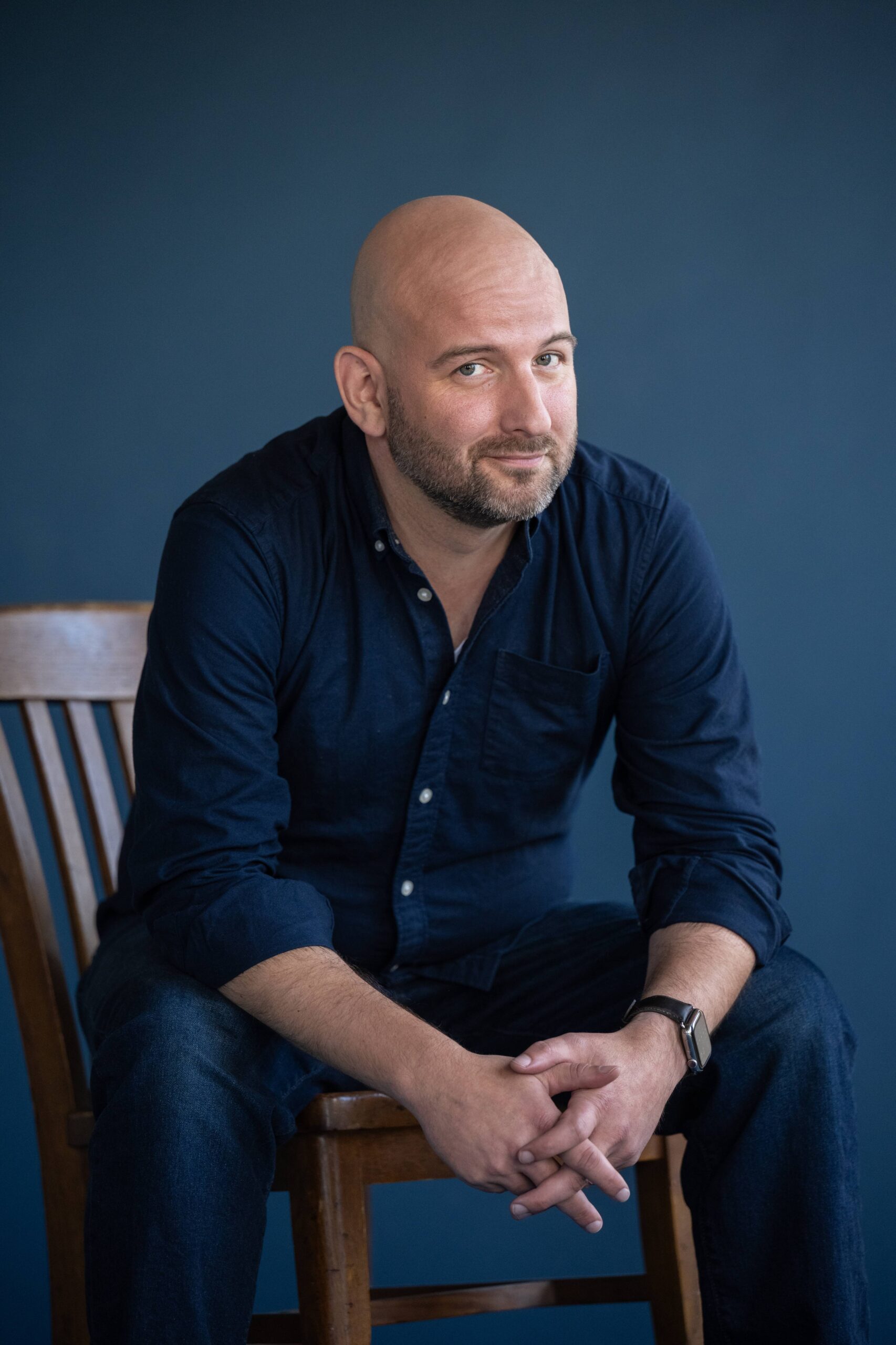 Brandon McNeice is a Philadelphia-based writer and educator. His work has appeared or is forthcoming in Commonweal, Plough, SmokeLong Quarterly, The Los Angeles Review, Terrain.org, BULL, and Hunger Mountain. A two-time Best Small Fictions nominee, he writes about the daily negotiations by which people seek dignity, faith, and decency inside systems that are anything but simple.

 In September 2022 SmokeLong launched a workshop environment/community christened SmokeLong Fitness. This acclaimed community workshop is happening right now on our dedicated workshop site. If you choose to join us, you will work in a small group of around 15-20 participants to give and receive feedback on flash narratives.